
Regulatory Precedent
How New Disciplines Earn Sanctioning
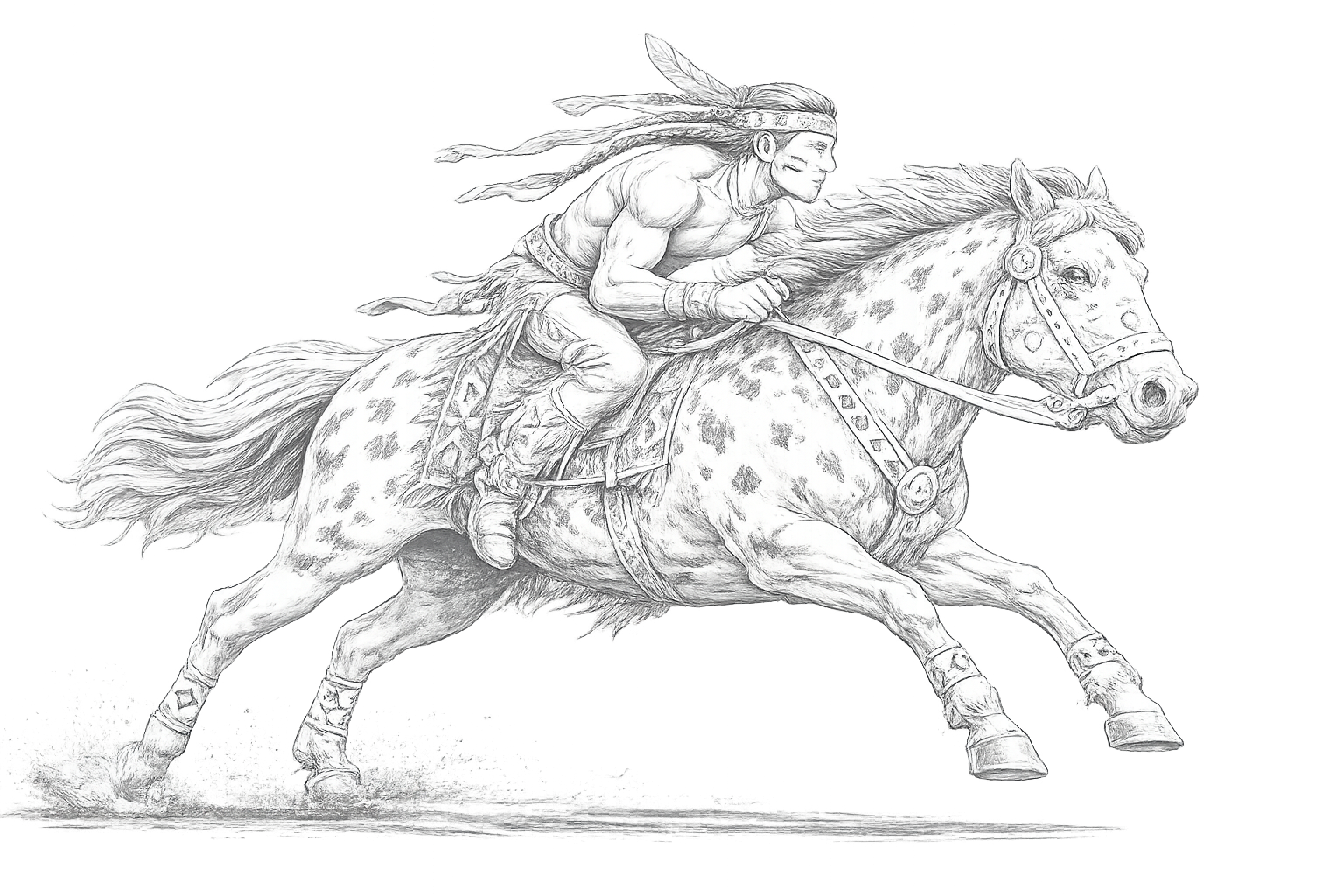
Quarter Horse, Harness, and Arabian racing each followed a path from regional tradition to fully sanctioned pari-mutuel discipline. Indian Relay Racing is next.
"One state racing commission approval is all it takes to unlock national distribution."
The Case for Sanctioning
Precedent Is on Our Side
The history of American horse racing is a history of expansion. Each time a new discipline demonstrated audience passion, cultural significance, and commercial viability, the regulatory framework adapted to include it. Quarter Horse racing, Harness racing, and Arabian racing all navigated the sanctioning process — and each became a significant contributor to the pari-mutuel handle. Indian Relay Racing meets every standard these disciplines met, and exceeds most of them in audience engagement and cultural depth.
Quarter Horse Racing
Origins
Quarter Horse racing traces its roots to colonial America, where settlers raced horses over short straight tracks — typically a quarter mile — in frontier towns and rural communities. The sport was deeply embedded in Western and Southern culture long before it had any formal regulatory structure.
The Sanctioning Path
The American Quarter Horse Association (AQHA) was founded in 1940, providing the organizational backbone needed to pursue formal sanctioning. State racing commissions, beginning with Texas and California, began licensing Quarter Horse meets through the late 1940s and into the 1950s. The key arguments: an existing passionate audience, a distinct breed registry, and a racing format that complemented rather than competed with Thoroughbred programs.
Growth After Sanctioning
Once sanctioned, Quarter Horse racing grew rapidly. Tracks that added Quarter Horse programs saw new audiences — Western-oriented fans who had little connection to Thoroughbred racing. Purse money grew from modest regional stakes into major national events. The All American Futurity at Ruidoso Downs, first run in 1959, became one of the richest horse races in the world.
The All American Futurity has paid purses exceeding $3 million. Major Quarter Horse stakes regularly offer six- and seven-figure purses funded by pari-mutuel handle and nomination fees.
Handle Growth
Early sanctioned meets, Texas and California
National expansion, major stakes established
Peak handle era, simulcast expansion
Annual U.S. pari-mutuel handle (est.)
Key Lesson for Regulators
A distinct breed, a passionate regional audience, and an organized governing body were sufficient to earn sanctioning. The format's difference from Thoroughbred racing was a feature, not an obstacle.
Harness Racing
Origins
Harness racing — where horses pull a two-wheeled sulky at a trot or pace — has roots in 18th-century America. Informal match races on public roads were common throughout the 1800s. The United States Trotting Association (USTA) was founded in 1939 to bring structure to a sport that had operated largely outside formal regulation.
The Sanctioning Path
Harness racing pursued sanctioning state by state through the 1940s and 1950s, making the case that its distinct format, existing fan base, and organized governance structure warranted pari-mutuel licensing. New York's Roosevelt Raceway and Yonkers Raceway became major venues. The argument to regulators was straightforward: this is a different product with a different audience — expanding the market, not cannibalizing it.
Growth After Sanctioning
Harness racing became a major commercial sport through the 1960s and 1970s. Night racing made it accessible to working-class audiences who couldn't attend afternoon Thoroughbred programs. The Hambletonian, Harness racing's most prestigious event, grew into a nationally recognized race. At its peak, Harness racing generated billions in annual handle.
The Hambletonian Stakes has offered purses exceeding $1.5 million. Major Harness stakes at The Meadows, Mohawk, and Yonkers regularly offer six-figure purses.
Handle Growth
State-by-state sanctioning underway
Peak era, major Northeast and Midwest tracks
Simulcast expansion, national reach
Annual U.S. pari-mutuel handle (est.)
Key Lesson for Regulators
A completely different racing format — not even a gallop — earned full pari-mutuel sanctioning by demonstrating audience demand and organizational credibility. Format novelty was never a disqualifier.
Arabian Horse Racing
Origins
Arabian horses are among the oldest and most culturally significant breeds in the world, with racing traditions stretching back thousands of years across the Middle East and North Africa. In the United States, Arabian racing developed as a niche discipline within the broader horse racing community, with organized competition beginning in earnest in the 1950s and 1960s.
The Sanctioning Path
The Arabian Jockey Club and the International Arabian Racing Association worked through the 1970s to secure pari-mutuel sanctioning in key states. California, which has historically been receptive to new racing disciplines, was an early adopter. The sanctioning argument emphasized the breed's distinct characteristics, an existing organized community, and the opportunity to attract new audiences — particularly those with cultural or heritage connections to Arabian horses.
Growth After Sanctioning
Arabian racing grew steadily following sanctioning, establishing a circuit of stakes races and developing a dedicated fan base. While smaller in scale than Quarter Horse or Harness racing, it demonstrated that a culturally distinct discipline with an organized governing body could sustain a viable pari-mutuel program. The sport has been particularly strong in California, Texas, and the Southwest.
The Arabian Racing Cup and major stakes events offer purses in the six-figure range. The sport benefits from strong international interest, particularly from Gulf state owners and breeders.
Handle Growth
Initial sanctioning, California and Southwest
Established circuit, national stakes program
Simulcast expansion, international interest
Annual U.S. pari-mutuel handle (est.)
Key Lesson for Regulators
Even a relatively niche discipline with a culturally specific audience earned and sustained pari-mutuel sanctioning. Cultural heritage and breed distinctiveness were assets in the regulatory argument, not liabilities.
The Indian Relay Racing Case
Indian Relay Racing Meets Every Standard
Measured against the criteria that earned sanctioning for Quarter Horse, Harness, and Arabian racing, Indian Relay Racing is not merely comparable — it is compelling. The sport has what every successful sanctioning petition has required: a passionate and loyal audience, a distinct and visually spectacular format, an organized governing body, and deep cultural roots that create authentic storytelling and media value.
The Regulatory Path Is Clear
Horse Nations Racing Group, LLC is ready to work with state racing commissions, tribal gaming authorities, and industry partners to navigate the sanctioning process. The precedent is established. The audience is real. The time is now.